
When we hear the word ritual, we might imagine something formal or ancient: candles lit in a particular order, words spoken at particular moments, customs passed down through generations. Or perhaps we think of the smaller rituals that shape our everyday lives - making coffee in the same cup each morning, writing in a journal before the day begins, taking a few deep breaths before we open the front door.
Ritual can be all of these things. But, for me, its meaning reaches beyond the action itself.
At its most powerful, ritual connects us to something bigger than ourselves. It reminds us that we are part of a planet, an ecosystem and a living world. It helps us remember that we do not exist separately from nature. We are nature.
There is something deeply comforting in that remembrance. Our lives can so easily become contained within walls, calendars, appointments, screens and lists of things that need to be done. We wake and immediately enter the human world of responsibilities. We check the time. We reach for our phones. We begin anticipating what other people may need from us before we have noticed what is happening within or around us.
The day can overtake us before anything else has had the chance to get in.
Ritual can create a small opening in all of that: a little space in which we can feel the wild soul that was there all along.
When I speak of the wild soul, I do not mean some other, freer version of ourselves that we have lost and must find our way back to. Nor do I mean that we need to escape our ordinary lives and disappear into a forest to become properly connected to nature. The wild soul is already here. It is the responsive, spontaneous, instinctive life within us. It is what stirs before the world tells us who we need to be that day.
A morning ritual can be the moment in which we remember that morning is not simply the beginning of another working day. It is an ancient event, unfolding across the Earth as it always has. The light changes. Birds begin to call. Flowers turn towards the day. The air carries the temperature and scent of the season. Our bodies, too, emerge gradually from sleep, bringing with them sensations, dreams, emotions and needs that may be different from those we carried yesterday.
A ritual helps us notice.
Yet I think we need to be careful about the way we speak about ritual, particularly morning ritual. It has increasingly become entangled with ideas of productivity and self-improvement: the perfect routine that will make us calmer, healthier, more focused or better able to manage the day ahead. Wake early. Drink water. Meditate. Write three pages. Exercise. Set an intention. Complete the sequence and become the person you are trying to be.
There is nothing inherently wrong with any of those practices. Each may be nourishing and meaningful. But a ritual intended to help us feel ourselves more fully can become another set of instructions we believe we are failing to follow.
If the ritual becomes rigid, it may stop asking us to listen.
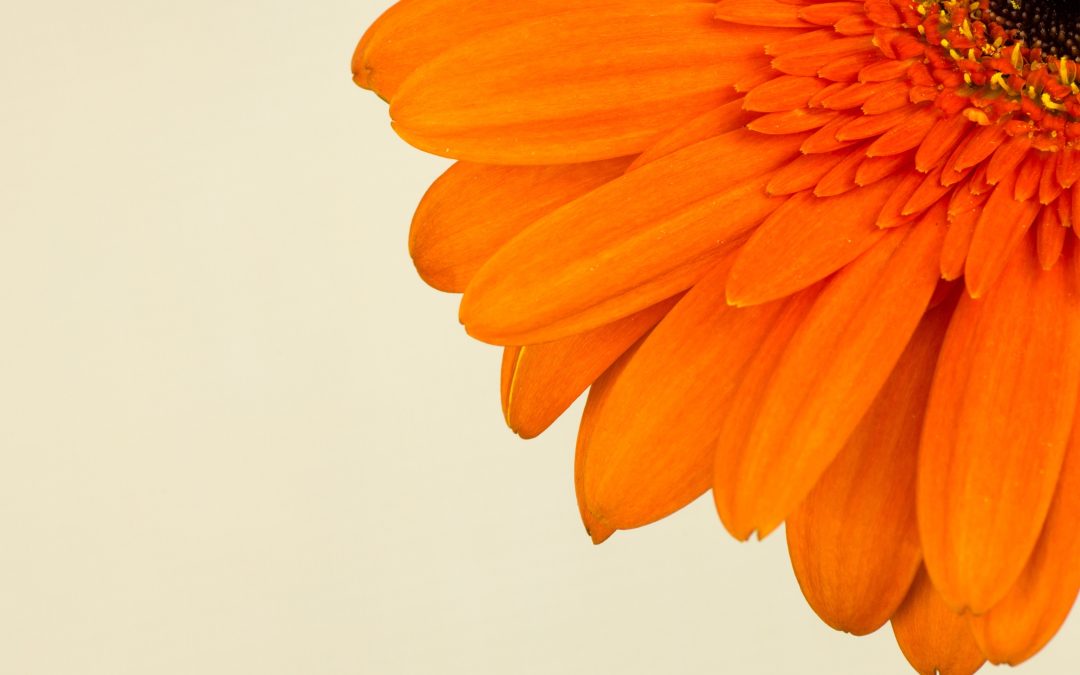
A flower does not open in precisely the same way every morning. It responds to the conditions in which it finds itself. It may open widely beneath the warmth of the sun or remain folded against the cold. It responds to light, moisture, temperature and season. It does not reproach itself for being different from the day before.
We are responsive beings too.
We wake differently each morning. Our bodies may feel rested or heavy, energised or painful. Our minds may be clear, crowded, tender or already racing ahead. Beyond the window, the world may be bright and inviting, or grey with rain. The season is changing around us, even when our diaries suggest that every Monday ought to look the same.
Perhaps ritual is not something we must repeat perfectly. Perhaps it is a way of entering into relationship with the day as it actually is, and of allowing ourselves to be whatever we are within it. There is wildness in that.
Wildness is not chaos for the sake of chaos. It is responsiveness. It is the freedom to be moved by what is alive, rather than only by the clock, the workplace, capitalism and the demands placed upon us. It is the spontaneity of responding to the day before us instead of forcing ourselves through a rhythm decided in advance.
On a warm summer morning, I might feel drawn to step outside barefoot and stand on the grass, noticing the coolness of the dew beneath my feet. I might pause there for a moment, feeling the contrast between the warmth of the air and the damp earth, allowing myself to arrive slowly in the day.
On another morning, the air may be cold and I may want to wrap myself in a blanket before stepping outside. Perhaps I will stand at the door for only a minute. Perhaps I will look towards a familiar tree and notice the movement of its branches, the changing colour of its leaves or the way the light falls across its trunk.
There may be mornings when going outside is not possible at all. Ritual might then be as simple as opening a window and noticing the temperature of the air against my face. It might be listening for the nearest bird, observing the sky from bed, smelling the rain or holding a warm drink between my hands.
The particular action matters less than the quality of attention we bring to it.
What am I noticing? What is alive in me today? What is moving in me? What moves me? What is the force that wants to move through me, if I give it the space?
These questions offer something very different from the demand to begin every day in the same way. They invite responsiveness rather than discipline. They allow ritual to remain alive. They leave room for spontaneity and for mystery and for the possibility that we do not already know what we need, what might call to us or what the day may become.
There is a dance in this. The world moves and something in us responds. We step outside because the sunlight has reached through the window and touched something in us. We stop beside a tree because, for reasons we cannot entirely explain, its shape or movement catches our attention. We hear a bird call and find ourselves listening for the reply.
Not every part of our lives needs to be fully understood or turned into a useful practice. Sometimes we can allow ourselves to be moved.
This does not mean that repetition has no place. Returning to a familiar action can be profoundly grounding. Lighting the same candle, walking the same path or sitting beside the same tree can give us a sense of continuity, particularly during periods when life feels uncertain. Repetition can tell the body: I have been here before. I know this place. For this moment, I am safe.
But even within repetition, nothing is ever truly the same.
You might notice the candle burns differently. The path has changed. The tree has shed a leaf, grown a bud or become home to some small creature we had not noticed before. We, too, arrive altered by what has happened since our last visit.
Perhaps that is part of the beauty of ritual. It gives us a structure within which change can be witnessed. It offers shape without requiring sameness.
This may be especially important when our bodies do not conform to the rhythms the wider world expects from us. Illness, grief, exhaustion, neurodivergence, disability and emotional distress can all affect the amount of energy available to us. A ritual that is only considered meaningful when it is performed fully or consistently may exclude us at precisely the times we most need to feel ourselves as part of the living world.
A living ritual can change shape. It can become smaller. It can be done from a chair, beneath a blanket or beside an open window. It can last twenty minutes or the length of a single breath. It does not demand that we overcome our bodies in order to participate. It begins by meeting the body that is here.
There is gentleness in this, but there is also something radical. We live within a culture that often encourages us to override our natural rhythms — to remain productive when we are tired, cheerful when we are grieving and consistent when our circumstances are anything but. To pause and listen is to refuse, for a moment, the idea that our value lies in how efficiently we can move through the day.
Ritual offers another way of understanding ourselves. Not as machines requiring the correct morning settings, but as living beings in continual relationship with other living beings.
The tree outside the window may not solve our difficulties. The feel of dew beneath our feet will not remove the pressures waiting for us. Ritual is not a magical defence against the uncertainty of being alive.
But it can change the position from which we meet that uncertainty.
It can remind us that we are not standing outside the world, trying to control it. We are participating in it. We are breathing air created and shared by countless other lives. We are held by gravity. We are warmed by a sun that has risen over lives very different from our own. We belong to cycles of waking and sleeping, growth and rest, beginning and ending.
The wild soul knows this. It has always known. It does not need to be taught how to belong to nature because it has never been separate from it. It simply needs enough space to be felt beneath all the instructions about how a day, a body or a life ought to be.
Perhaps this is part of what truly sustains and energises us: not another vitamin drink or protein shake, but the experience of being moved by something. Curiosity. Beauty. Mystery. Desire. The scent of the air. A sudden impulse to step outside. The unexpected dance that becomes possible when every movement has not already been decided.
Perhaps, then, the question is not: What is the perfect ritual with which to begin my day?
Perhaps the question is: What might help me feel the wild soul that is already here?
The answer may change tomorrow... and I think it should.